







Businesses looking for soft toy manufacturing services often encounter the terms OEM and ODM. Although both models involve working with a manufacturer, they represent different approaches to product development and production.
Understanding these differences can help brands, retailers, and IP owners select the right manufacturing arrangement.
1. What Is OEM Soft Toy Manufacturing?
OEM generally refers to manufacturing products based on a customer's design, specifications, or approved product requirements.
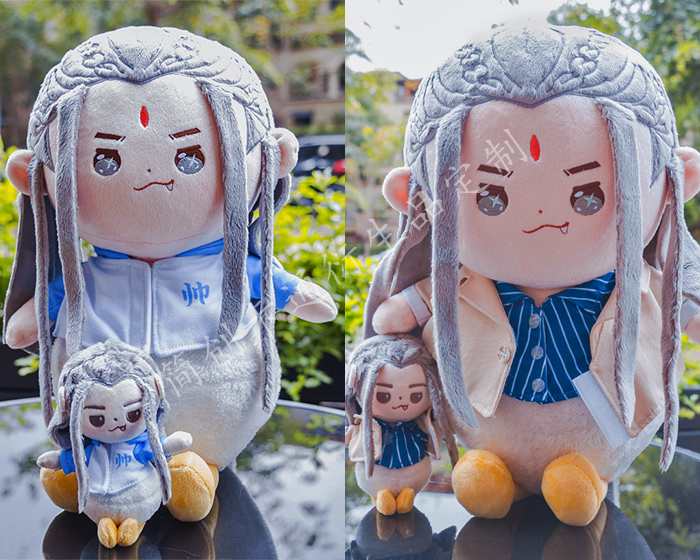
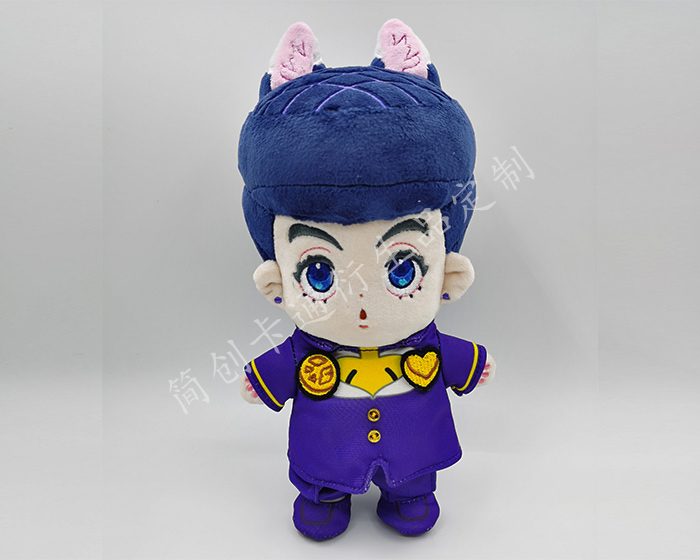
For example, a brand may already have character artwork, dimensions, fabric preferences, and packaging concepts. The manufacturer then develops the production pattern, creates a prototype, and manufactures the product according to the approved requirements.
OEM is particularly suitable for:
-
Established toy brands
-
Licensed character merchandise
-
Independent artists with original designs
-
Retailers developing private-label products
-
Businesses with existing product specifications
2. What Is ODM Soft Toy Manufacturing?
ODM generally involves a greater degree of manufacturer participation in product development.
The customer may provide an initial concept, target market, or general product direction, while the manufacturer contributes technical development and practical design solutions.
This can be useful when a business has an idea but needs assistance turning it into a manufacturable product.
The exact division of design responsibilities should be agreed upon before the project begins.
3. Why Sample Development Matters
Regardless of the manufacturing model, a physical prototype helps confirm whether the design can be produced successfully.
During sample development, manufacturers may need to adjust pattern structures, fabric combinations, embroidery details, and stuffing methods.
Customers should review the prototype carefully and confirm the final specifications before approving bulk production.
4. Intellectual Property and Artwork Ownership
For character-based products, intellectual property should be discussed clearly.
Customers should confirm that they have the necessary rights or authorization to manufacture the artwork or character.
Both parties should also clarify confidentiality, permitted product use, artwork handling, and ownership of newly developed design elements.
5. Choosing the Right Manufacturing Partner
When comparing soft toy companies, consider whether they can support your required level of customization.
Questions to ask include:
-
Can the factory work from original illustrations?
-
Does it provide pattern development?
-
Can it produce prototypes before bulk orders?
-
What is its minimum order quantity?
-
How are production specifications documented?
-
What quality inspection procedures are available?
OEM and ODM offer different ways to work with soft toy companies. The right approach depends on how much of the product design has already been completed and how much development support the customer requires.
A capable manufacturing partner should explain the available services, technical requirements, and responsibilities before production begins.