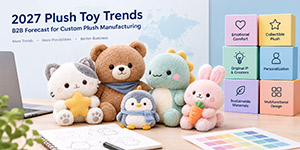








The global plush toy market is entering a new stage in 2027. plush toys are no longer limited to traditional children's products. They are increasingly used as collectible products, character merchandise, brand extensions, promotional products, lifestyle accessories, and emotional comfort products.
For B2B buyers, brands, IP owners, designers, illustrators, and creators, the key question is not simply which plush toys will become popular in 2027. The more important question is which trends can be translated into commercially viable products that can be customized, manufactured consistently, and scaled for long-term sales.
Based on current changes in consumer behavior, social media culture, IP development, product customization, and plush manufacturing requirements, we expect six major directions to shape custom plush development in 2027.
This 2027 plush toy trend forecast focuses on the B2B side of the industry, including product development, custom plush manufacturing, material selection, production feasibility, SKU planning, and long-term brand value.
Trend 1: Emotional Comfort Plush Becomes a Mainstream Lifestyle Category
One of the strongest directions for 2027 is the continued growth of plush toys designed around emotional comfort rather than traditional play.
Consumers increasingly use plush products as companions, room décor, collectible objects, gifts, and comfort items. This expands the potential audience from children to teenagers, young adults, collectors, and lifestyle consumers.
The important change is the role of the product.
A successful comfort plush does not necessarily need complicated functions or an elaborate character design. Instead, softness, shape, facial expression, size, and tactile experience become the main product features.
For custom plush manufacturers, this creates opportunities for brands to develop original comfort characters with simple and recognizable silhouettes.
Recommended 2027 Design Direction
-
Soft and rounded body shapes
-
Simple facial expressions
-
Short-pile or ultra-soft fabrics
-
Neutral, pastel, or low-saturation colors
-
Medium and large plush sizes
-
Designs suitable for bedrooms, offices, dorm rooms, and living spaces
-
Optional lightweight or sensory features where appropriate
The production advantage is that simple designs can often be easier to standardize and reproduce than highly complicated character structures.
For B2B buyers, the opportunity is to create evergreen plush products that are not dependent on a short viral cycle.
Key B2B Insight
| B2B Factor | 2027 Direction | Practical Guidance |
|---|---|---|
| Target audience | Teens, adults and families | Design beyond traditional children's toys |
| Main value | Comfort and companionship | Prioritize softness and tactile quality |
| Visual style | Simple and calming | Avoid unnecessary details |
| Product life | Long-term | Develop evergreen characters |
| Manufacturing | Repeatable | Use stable materials and construction |
| Brand opportunity | High | Build original character IP |
In 2027, emotional comfort plush should be considered a product category rather than a temporary trend. Brands that combine recognizable characters with strong tactile quality can build products suitable for repeat production and long-term sales.
Trend 2: Collectible Plush Expands from Toys into Character Merchandise
Collectibility will remain an important driver of plush product development in 2027.
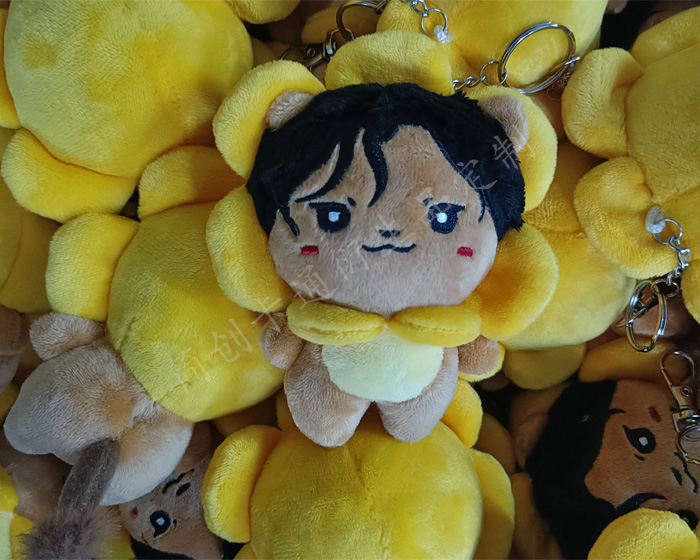
However, collectible plush is evolving beyond traditional stuffed animals. Small plush products, plush keychains, mini plush, bag charms, character accessories, and limited-edition designs allow consumers to participate in character and IP ecosystems at different price levels.
This is particularly relevant for creators, entertainment brands, anime and manga IPs, gaming brands, and independent character designers.
Instead of developing one large plush product, brands can create a character system with multiple product formats.
For example, the same character can become:
-
A standard plush doll
-
A mini plush
-
A plush keychain
-
A bag charm
-
A plush cushion
-
A seasonal costume version
-
A limited-edition collectible
-
A character gift set
This product architecture allows brands to extend one character across multiple SKUs.
Why This Matters for B2B Buyers
Developing a character as a product family can reduce the need to create completely new concepts for every SKU.
The core character remains consistent while size, clothing, accessories, colors, and applications change.
For custom plush manufacturing, this approach also makes it possible to reuse certain materials, construction techniques, embroidery styles, and packaging concepts.
Key B2B Insight
| B2B Factor | 2027 Direction | Practical Guidance |
|---|---|---|
| Product type | Collectible plush | Develop character families |
| Main audience | Collectors and fans | Build series-based products |
| SKU strategy | Multiple formats | Use one character across products |
| Price structure | Multi-level | Offer mini and premium versions |
| Manufacturing | Modular | Reuse materials and techniques |
| Sales strategy | Collection-driven | Encourage repeat purchases |
The key opportunity in 2027 is not simply creating another plush toy. It is building a collectible plush product ecosystem around a recognizable character or IP.
Trend 3: Original IP and Creator Characters Drive Custom Plush Demand
The growth of independent creators, illustrators, social media characters, gaming communities, and online brands is creating new demand for custom plush manufacturing.
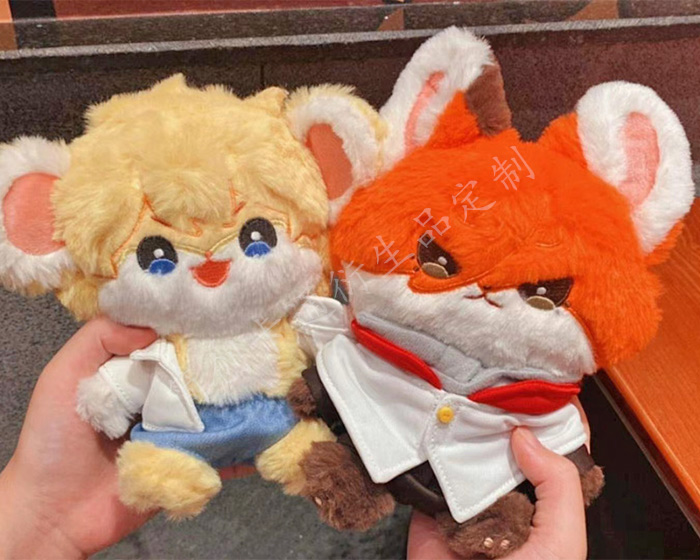
In the past, plush production was strongly associated with established entertainment companies and large toy brands. In 2027, smaller IP owners and independent creators will continue to use plush toys as physical extensions of their digital identities.
For an illustrator or creator, a plush toy can transform a two-dimensional character into a physical product.
For a brand, it can become a mascot.
For an IP owner, it can become licensed merchandise.
For a community, it can become a collectible representation of shared identity.
This makes custom plush manufacturing particularly important for businesses that already have an audience but need a manufacturing partner to turn artwork into a physical product.
From Artwork to Manufacturing
A typical custom plush project may involve:
-
Character or product concept
-
Design file or reference artwork
-
Product structure review
-
Material and size selection
-
Prototype development
-
Sample modification
-
Sample approval
-
Bulk production
-
Quality control
-
Packaging and shipping
The ability of a plush manufacturer to interpret artwork and convert it into a manufacturable structure will become increasingly important.
Key B2B Insight
| B2B Factor | 2027 Direction | Practical Guidance |
|---|---|---|
| IP source | Independent creators | Support small and emerging IP |
| Product value | Character recognition | Preserve key visual features |
| Development | Artwork to physical sample | Provide professional sample development |
| Production | Flexible customization | Support different materials and techniques |
| Brand strategy | Physical IP extension | Build merchandise around characters |
For creators and IP owners, the right custom plush manufacturer is not simply a supplier that produces fabric toys. The manufacturer should be able to understand the character, recommend practical construction solutions, develop samples, and maintain consistency during mass production.
Trend 4: Personalized and Made-to-Order Plush Becomes More Important
Personalization is another important direction for 2027.
Consumers increasingly value products that feel unique, personal, or connected to a specific person, pet, character, community, or event.
This creates opportunities for personalized plush products such as:
-
Custom character dolls
-
Custom mascot plush
-
Pet-inspired plush toys
-
Personalized gifts
-
Event and promotional plush
-
Creator merchandise
-
Fan-art-inspired plush
-
Custom plush accessories
The important point for manufacturers is that personalization does not always mean producing every product completely differently.
A scalable model can combine a standardized base structure with customizable elements such as colors, embroidery, clothing, accessories, facial details, tags, or packaging.
This allows B2B buyers to offer personalization while keeping manufacturing manageable.
Key B2B Insight
| B2B Factor | 2027 Direction | Practical Guidance |
|---|---|---|
| Consumer demand | Individuality | Offer meaningful customization |
| Manufacturing model | Modular customization | Standardize the base structure |
| Custom elements | Face, color, clothing, accessories | Define customization options clearly |
| Market | Gifts, creators, brands and events | Develop flexible product formats |
| Production risk | Higher variation | Establish clear approval standards |
For custom plush manufacturers, the challenge will be balancing customization with production efficiency.
The strongest suppliers will be those that can offer creative flexibility without sacrificing sample accuracy, quality consistency, or production reliability.
Trend 5: Sustainable Plush Moves Toward Material Transparency and Compliance
Sustainability will remain an important consideration in 2027, but the focus is likely to move further away from general marketing claims and toward measurable product information.
B2B buyers increasingly need to understand what materials are used, where they come from, how consistently they can be supplied, and whether the finished product can meet applicable safety and compliance requirements.
For plush manufacturing, sustainability can involve:
-
Recycled polyester fabrics
-
Recycled polyester filling
-
Reduced packaging materials
-
Recyclable packaging
-
Material traceability
-
Responsible material sourcing
-
Product durability
-
Reduced production waste
However, sustainable material selection must also consider softness, color consistency, durability, cost, availability, and production stability.
A material that looks environmentally attractive but cannot be consistently supplied may create problems during repeat production.
Key B2B Insight
| B2B Factor | 2027 Direction | Practical Guidance |
|---|---|---|
| Sustainability | Evidence-based | Avoid vague environmental claims |
| Materials | Recycled and traceable options | Confirm material specifications |
| Production | Repeatability | Check bulk consistency |
| Compliance | Increasingly important | Prepare documentation early |
| Packaging | Reduced material use | Optimize packaging structure |
For brands planning long-term plush programs, sustainability should therefore be treated as part of product development and supply-chain management rather than simply a marketing label.
Trend 6: Multifunctional Plush Creates More Product Opportunities
In 2027, plush products will increasingly cross traditional product categories.
A plush toy can also function as a pillow, keychain, bag accessory, room decoration, travel companion, promotional item, or collectible.
This multifunctional approach allows brands to create more product applications from the same character.
Examples include:
-
Plush cushions
-
Plush pillows
-
Plush bags
-
Plush keychains
-
Plush blankets
-
Plush accessories
-
Wearable plush products
-
Character-themed gift sets
For B2B buyers, multifunctional product development can increase the commercial value of an IP because the same character can appear in different categories.
Why Manufacturing Matters
Different applications require different construction methods.
A plush cushion may prioritize surface softness and shape retention.
A plush keychain requires compact construction and suitable attachment hardware.
A plush bag needs stronger seams and functional components.
A character accessory may require embroidery, printing, appliqué, clothing, or other decorative techniques.
Therefore, manufacturers need to understand not only plush toy production, but also how construction requirements change between product categories.
Key B2B Insight
| B2B Factor | 2027 Direction | Practical Guidance |
|---|---|---|
| Product category | Cross-category | Extend characters into accessories |
| Main benefit | More applications | Build a product family |
| Manufacturing | Different structures | Match construction to usage |
| Brand value | Higher character exposure | Maintain visual consistency |
| SKU planning | Modular | Develop multiple products around one IP |
The most valuable character in 2027 may not be a single plush toy. It may be a flexible IP system that can be translated into multiple physical products.
What Should B2B Buyers Look for in a Custom Plush Manufacturer in 2027?
Trend forecasting is only useful when a manufacturer can turn a concept into a reliable product.
When selecting a custom plush manufacturer, B2B buyers should evaluate more than the factory's product catalog.
Important factors include:
1. Customization Capability
Can the manufacturer turn an illustration, character design, mascot, or product concept into a physical plush prototype?
2. Sample Development
Can the manufacturer develop, modify, and refine samples before mass production?
3. Material Options
Does the supplier offer suitable fabric, filling, embroidery, printing, appliqué, accessories, and packaging options?
4. Production Consistency
Can the manufacturer reproduce the approved sample accurately during bulk production?
5. Quality Control
Are materials, workmanship, dimensions, appearance, and packaging checked before shipment?
6. IP and Character Understanding
Can the manufacturer preserve the important visual features of an original character during the transition from 2D artwork to a 3D plush product?
7. Scalability
Can the supplier support both smaller custom projects and larger production programs as demand grows?
For brands, creators, IP owners, and businesses, these capabilities may be more important than simply finding the lowest unit price.
2027 Plush Toy Trend Forecast: The Bigger Picture
The biggest change in the plush industry in 2027 is likely to be the continued transformation of plush toys from simple children's products into flexible physical products for brands, creators, collectors, and lifestyle consumers.
The strongest opportunities are likely to come from:
-
Emotional comfort plush
-
Collectible plush and mini plush
-
Original IP and creator merchandise
-
Personalized custom plush
-
Sustainable and traceable materials
-
Multifunctional plush products
-
Character-based product families
-
Small-batch and scalable custom manufacturing
For B2B buyers, the goal should not be to follow every viral trend.
A better strategy is to identify trends that have emotional relevance, character recognition, production feasibility, repeat-order potential, and long-term brand value.
In 2027, successful plush products will increasingly be the result of collaboration between a strong concept and a capable custom plush manufacturer.
Frequently Asked Questions About 2027 Plush Toy Trends
What are the biggest plush toy trends for 2027?
The major expected trends include emotional comfort plush, collectible mini plush, original IP merchandise, personalized plush toys, sustainable materials, and multifunctional plush products.
Will custom plush toys be popular in 2027?
Yes. Custom plush manufacturing is expected to remain important as brands, creators, IP owners, illustrators, and businesses use plush products to develop merchandise, mascots, collectibles, and promotional products.
What types of plush toys should brands develop in 2027?
Brands should consider products that can become long-term product lines rather than one-time trend products. Character-based plush series, collectible mini plush, comfort plush, and multifunctional plush products offer opportunities for SKU expansion.
What should I consider when choosing a custom plush manufacturer?
Important factors include sample development, customization capabilities, material selection, production consistency, quality control, packaging, communication, scalability, and the manufacturer's ability to convert artwork into a manufacturable plush product.
Is sustainable plush manufacturing important in 2027?
Sustainability is expected to remain important, particularly for B2B buyers. However, buyers should evaluate specific materials, documentation, traceability, durability, and production consistency rather than relying only on general "eco-friendly" claims.
How can one character become multiple plush products?
A character can be developed into standard plush dolls, mini plush, plush keychains, cushions, bags, accessories, seasonal versions, and collectible sets. This allows brands to build a broader product ecosystem around one IP.
Final Takeaway
The 2027 plush toy market will be less about producing another generic stuffed animal and more about creating products with a clear purpose, recognizable identity, and scalable manufacturing strategy.
For B2B buyers, the strongest plush opportunities will come from combining character/IP value, emotional appeal, customization, product functionality, and reliable manufacturing.
The right custom plush manufacturer can help transform an idea, illustration, mascot, or IP character into a commercially viable plush product—from initial design and prototype development to mass production, quality control, packaging, and delivery.
Custom Plush Project Showcase
Custom Plush Toy
Plush Animal Toys
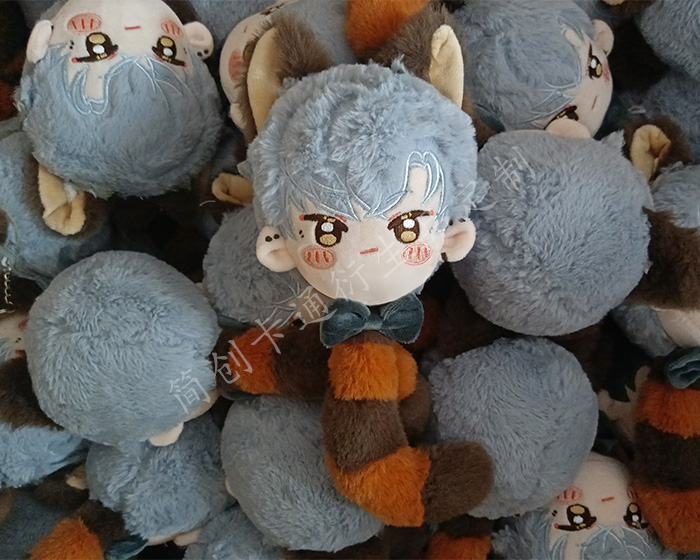
Toy Manufacturer
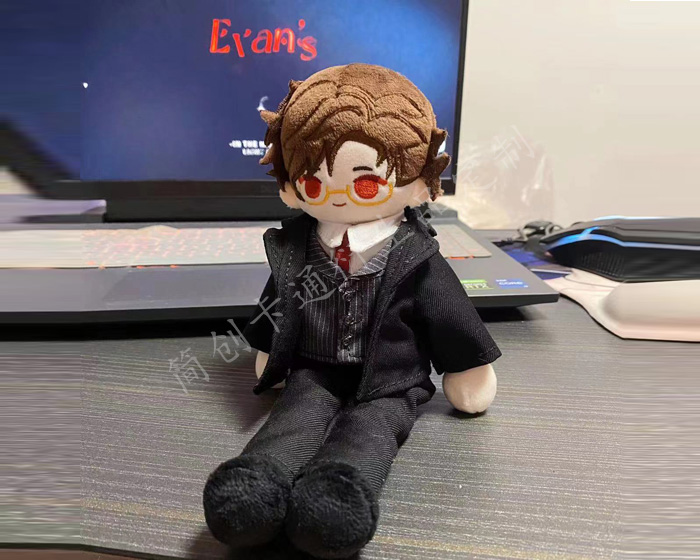
Custom Stuffed Dolls

Custom Plush Toy
-
Custom Stuffed Animal
-
Anime Plush
-
Cotton Doll
-
15cm Cotton Doll
-
Cute Stuffed Animals
-
Custom Plush Dolls
-
Personalised Stuffed Animal
-
Jojo Plush
-
Weighted Plush Toys
-
Custom Doll
-
Custom Pet Stuffed Animal
-
Custom Stuffed Dolls
-
Plush Toy
-
Cotton Dolls
-
Custom Stuffed Animals
-
Custom Rag Doll
-
Large Plush Toys
-
20cm Cotton Doll
-
Weighted Stuffed Animal
-
Anime Plush
-
Bear Stuffed Toy
-
Plush Stuffed Doll
-
Dog Plush Toys
-
Dumpling Plush
-
Rag Doll Making
-
Custom Plushies
-
Custom Toys
-
Jojo Doll
-
Warmies Stuffed Animals
-
Soft Toys
-
Cute Plush Doll
-
Custom Plush
-
Plush Maker
-
Stuffed Animals
-
Plush Dolls
-
Custom Plush Makers
-
Custom Animal Plush