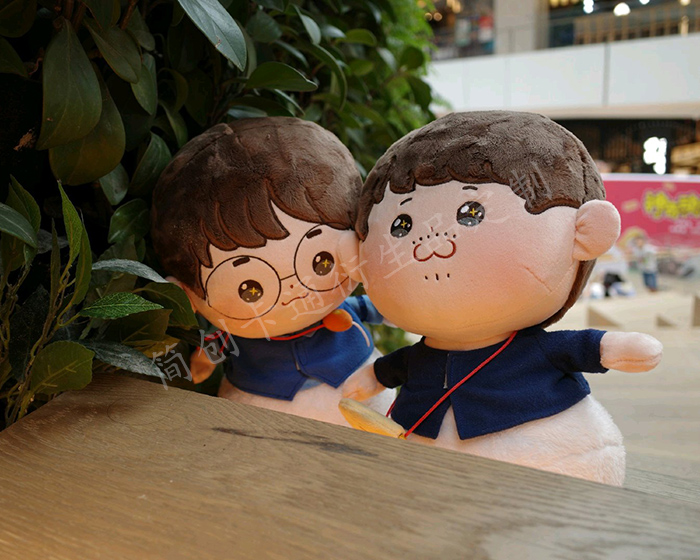








Turning an original illustration into a physical soft toy requires more than sewing fabric together. A professional custom soft toy maker must understand the design, translate visual details into workable structures, select suitable materials, and manage the entire development process.
For brands, artists, and businesses, working with an experienced manufacturer can make the difference between a prototype that looks attractive and a finished product that accurately represents the original design.
1. Design Interpretation and Technical Assessment
The first stage is understanding the artwork and the intended finished product.
A manufacturer should review the character's proportions, colors, facial expression, body structure, accessories, and other recognizable features.
Reference materials may include:
-
Front, side, and back illustrations
-
Character concept drawings
-
Reference photographs
-
Size and dimension requirements
-
Material preferences
-
Special embroidery or printing details
When only a front-view illustration is available, additional structural decisions may be necessary to develop the side and back of the toy.
2. Pattern Development
Pattern making transforms a visual design into fabric components that can be assembled into a three-dimensional product.
The pattern maker determines how different fabric pieces connect, where seams should be placed, and how the stuffing will shape the finished toy.
Complex characters may require additional pattern adjustments to reproduce distinctive features while maintaining balanced proportions.
3. Fabric and Material Selection
Material selection affects the appearance, softness, durability, and production cost of a custom soft toy.
Depending on the design, manufacturers may recommend short plush, long plush, minky fabric, or other suitable textile materials.
The fabric should be evaluated against the intended color, texture, pile direction, and construction requirements.
4. Prototype Development and Revisions
A physical sample allows the customer to evaluate the design beyond a digital illustration.
Important details to review include:
-
Overall proportions and dimensions
-
Facial expression and embroidery
-
Color matching
-
Fabric texture
-
Filling distribution
-
Accessories and decorative elements
-
Stitching and finishing quality
Changes should be documented clearly so the approved sample becomes the production reference.
5. Moving from Sample to Bulk Production
After sample approval, the manufacturer prepares the production requirements, material sourcing, manufacturing schedule, and inspection procedures.
A professional custom soft toy maker should maintain consistency between the approved prototype and mass-produced units.
This includes monitoring materials, construction methods, dimensions, and finishing details.
A capable custom soft toy maker provides more than sewing services. It combines design interpretation, pattern engineering, material knowledge, sample development, and production management.
JianChuang supports custom plush development from initial artwork to approved samples and bulk production, helping brands and creators turn original concepts into physical products.