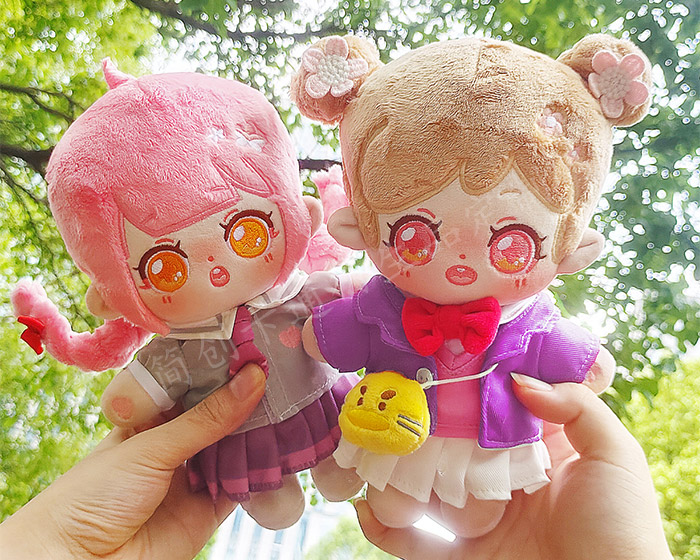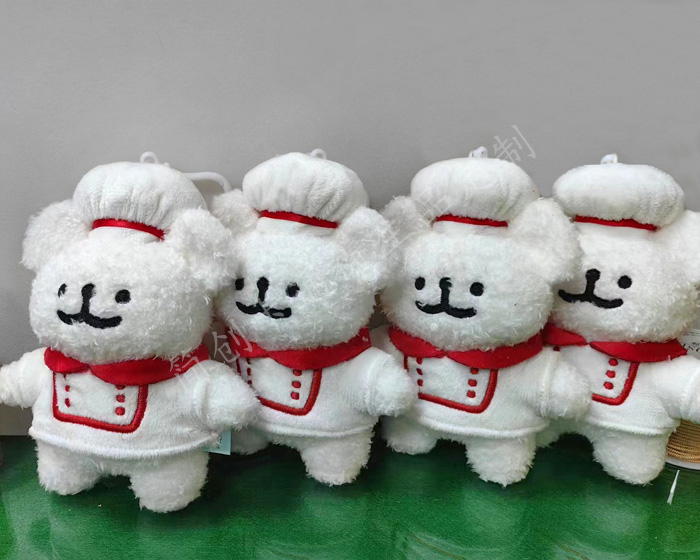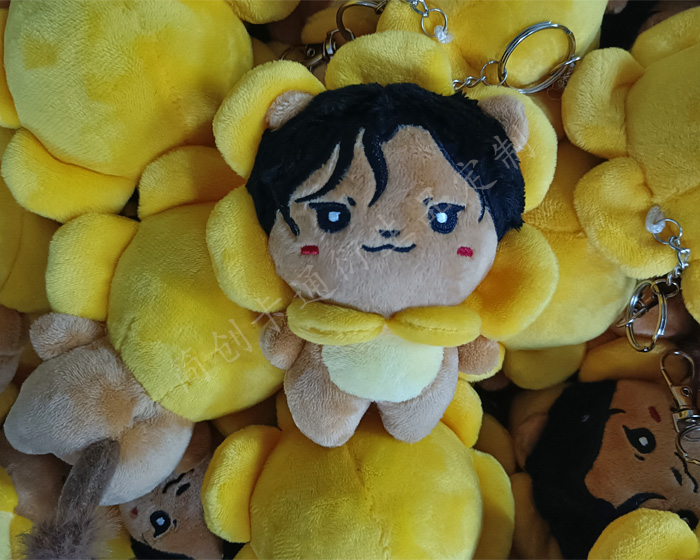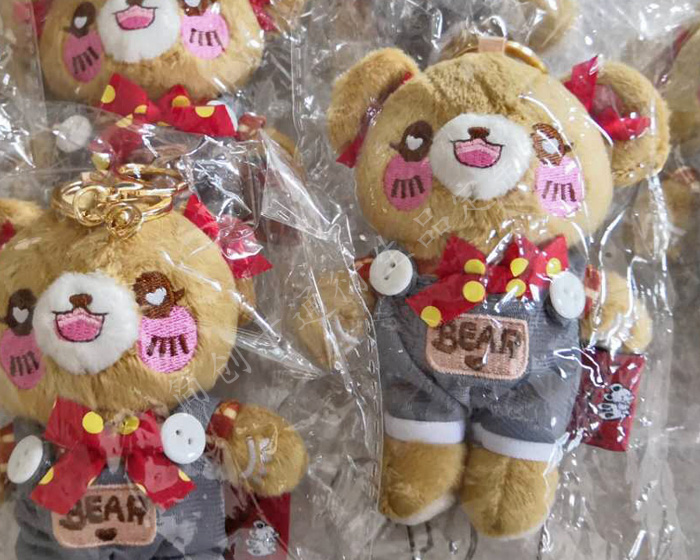








custom animal plush products are used in brand merchandise, promotional campaigns, entertainment projects, retail collections, and character-based businesses.
However, transforming an animal illustration into a physical stuffed toy requires careful development. plush animal manufacturers must consider proportions, material characteristics, construction methods, and the visual identity of the original design.
1. Interpreting the Animal Design
The development process begins with understanding the animal's distinctive features.
These may include:
-
Head and body proportions
-
Ear shape and positioning
-
Eye and nose details
-
Tail length and structure
-
Fur color and texture
-
Special markings and accessories
A recognizable design should retain its most important visual characteristics when converted into a plush form.
2. Developing a Three-Dimensional Pattern
A drawing is usually a two-dimensional representation, while a plush animal has volume and depth.
Pattern makers need to determine how different fabric sections will connect to create the desired shape.
The pattern must also account for seam placement, stuffing volume, and the natural behavior of the selected fabric.
3. Selecting Suitable Materials
Material selection should support the intended appearance and construction.
For example, short-pile fabrics may suit smooth animal designs, while longer-pile fabrics may be appropriate for characters with a fluffy appearance.
The choice should also consider color consistency, softness, durability, and the requirements of the intended market.
4. Reproducing Facial Features
The eyes, nose, mouth, and other facial details often determine whether the finished product resembles the original character.
Embroidery, printing, and other suitable techniques can be used depending on the design.
During sampling, the position, size, and expression of these features should be reviewed carefully.
5. Prototype Evaluation
A physical prototype allows the customer to evaluate the design from multiple angles.
Important points include:
-
Overall silhouette
-
Body proportions
-
Facial expression
-
Fabric appearance
-
Filling distribution
-
Stitching and finishing
Any necessary changes should be confirmed before mass production.
6. Maintaining Consistency in Bulk Production
Once the prototype is approved, the manufacturer should follow the confirmed materials and construction specifications.
Production checks help ensure that the finished animal plush products remain consistent in appearance, dimensions, and quality.
Conclusion
Experienced plush animal manufacturers combine design interpretation, pattern development, material selection, and production management.
For brands and creators developing original animal characters, choosing a manufacturer with relevant customization experience is an important part of achieving the desired result.
Develop Your custom plush Project
Share your design and requirements with our team to discuss your custom plush manufacturing project.
Get a Quote