







Finding suitable plush toy companies is an important step for brands, retailers, entertainment businesses, and independent creators planning to develop custom stuffed products. A supplier may offer attractive prices, but price alone cannot determine whether a manufacturing partner can consistently meet your product requirements.
The right partner should understand your design, provide practical manufacturing solutions, maintain product consistency, and manage orders from prototype development to final delivery.
1. Understand the Company's Manufacturing Capabilities
Not all plush toy companies provide the same services. Some focus on distributing ready-made toys, while others specialize in custom manufacturing.
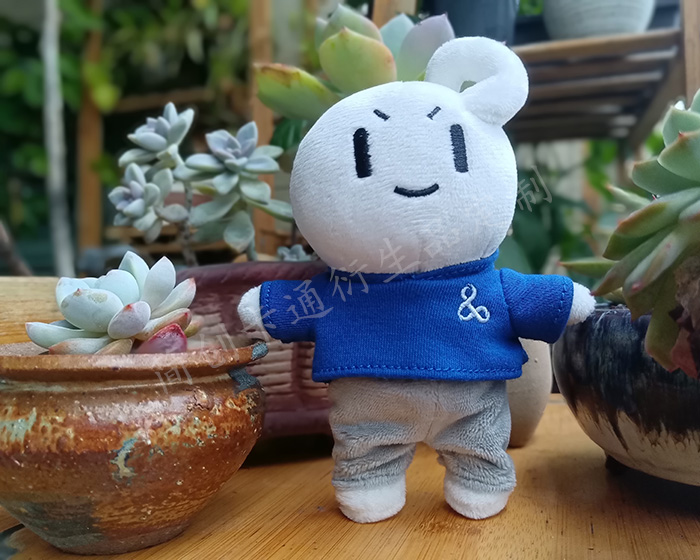
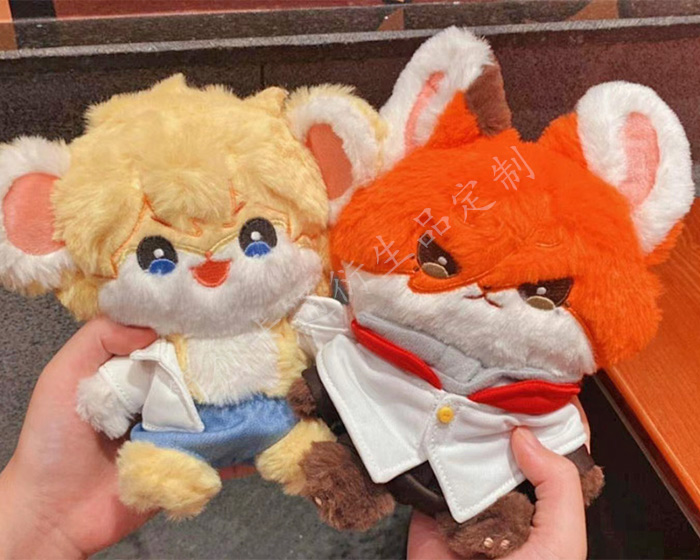
If your project involves original characters, branded merchandise, promotional toys, or licensed products, look for a company with genuine customization capabilities.
-
Custom pattern development and sample making
-
Fabric and filling material selection
-
Embroidery and printing
-
Three-dimensional character construction
-
Sewing, stuffing, and finishing
-
Bulk production and packaging
A manufacturer that handles multiple production stages can help reduce communication gaps during development.
2. Review Product Development Experience
A two-dimensional illustration does not automatically translate into a successful plush product.
Manufacturers need to consider proportions, fabric characteristics, stitching positions, filling volume, and structural stability.
Ask whether the company can develop samples from sketches, reference photographs, or technical drawings. Reviewing previous projects can help you understand its ability to reproduce different character shapes and details.
3. Examine Quality Management
Quality should be evaluated throughout production rather than only when the finished goods are ready.
A professional manufacturing partner should have procedures for incoming material inspection, sample approval, in-process checks, finished product inspection, and packaging verification.
For products intended for specific international markets, discuss applicable safety and testing requirements before production begins.
4. Confirm Production Capacity and Order Requirements
Production capacity, minimum order quantity, and delivery schedules should match your business plan.
Ask about the manufacturer's standard MOQ, sampling timeline, production lead time, and ability to handle repeat orders.
Avoid selecting a supplier based entirely on a large advertised production capacity. What matters is whether its actual production arrangements suit your order.
5. Evaluate Communication and Project Management
custom plush development involves multiple decisions. Clear communication is essential when confirming dimensions, colors, materials, accessories, and sample revisions.
A reliable company should provide understandable quotations, explain technical limitations, and communicate important production milestones.
Choosing among plush toy companies requires more than comparing quotations. Manufacturing experience, development capabilities, quality management, production planning, and communication all influence the final result.
JianChuang is a Dongguan-based custom plush toy manufacturer providing design development, sample making, and bulk production services for brands, IP owners, and creators.
If you are planning a custom plush project, prepare your reference artwork, estimated quantity, and product requirements before requesting a quotation.